Entertainment Icon Pack: Graphics and Icons for Real Publishing
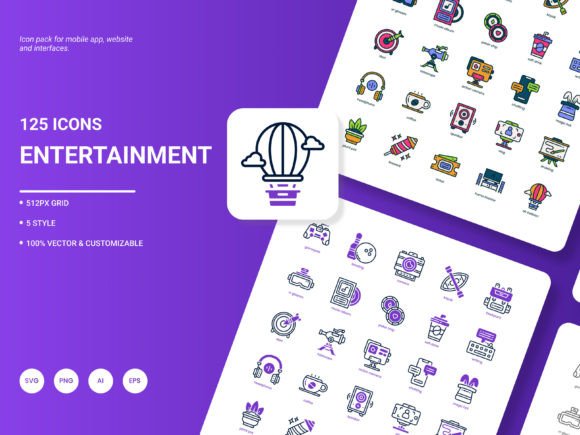
The Entertainment Icon Pack immediately catches the eye with its modern, versatile design. These 125 stylish icons offer a fresh visual language that feels both professional and approachable. The aesthetic leans toward a contemporary, lifestyle-oriented vibe, making it ideal for content niches like entertainment, media, lifestyle, and digital culture. It’s not overly playful or rigidly formal—it strikes a balance that works well across multiple editorial contexts.
Visual Communication That Elevates Content
As a blog designer and digital publisher, one of the first things I notice is how these icons enhance visual communication. They add clarity and personality to blog graphics, helping readers quickly identify key topics or sections. Whether used in article headers, website banners, or social media previews, the icons contribute to a more polished and engaging user experience.
For content creators, the Entertainment Icon Pack is a powerful tool for building a strong visual identity. It supports consistent branding across different platforms, from email newsletters to Pinterest pins. The clean lines and cohesive style make it easy to integrate into existing design systems without clashing with other elements.
Real-World Applications for Blog Designers and Publishers
This graphic design asset shines in a variety of publishing workflows. For instance, when designing featured images for a blog post about streaming services, the Entertainment Icon Pack offers relevant icons that reinforce the topic. Similarly, when creating Pinterest graphics for a digital guide on movie recommendations, these icons can be used as visual anchors to draw attention and improve click-through rates.
In editorial design, the icons serve as subtle accents that enhance readability and flow. They can be used to highlight key points in an article, create visual breaks between sections, or add personality to newsletter headers. For publishers who rely on Canva templates or digital guides, the Entertainment Icon Pack provides a ready-made library of assets that save time and maintain a professional look.
When it comes to lead magnets or downloadable resources, the icons help create visually appealing printables, worksheets, and eBook covers. They also work well in social media graphics, where eye-catching visuals are essential for engagement. In affiliate marketing, they can be used to illustrate product features or benefits in a clear and compelling way.
Boosting Content Performance With Visual Hierarchy
One of the most valuable aspects of the Entertainment Icon Pack is its ability to support stronger visual hierarchy. By using these icons strategically, publishers can guide readers through content more effectively. A well-placed icon can signal the start of a new section, emphasize a key takeaway, or draw attention to a call-to-action.
These icons also play a role in improving reader trust. When content looks professional and well-designed, readers are more likely to perceive it as credible and valuable. This is especially important for small business owners, online educators, and creative entrepreneurs who rely on their website’s appearance to build brand authority.
Additionally, the Entertainment Icon Pack helps with category recognition. By using consistent icons across different posts or pages, publishers can create a more intuitive navigation experience. Readers can quickly identify content types, such as tutorials, reviews, or guides, based on the visual cues provided by the icons.
Where the Entertainment Icon Pack Works Best
The Entertainment Icon Pack excels in high-impact areas like hero images, article thumbnails, and Pinterest pins. These are the first points of contact for many readers, and the icons add a level of polish that makes content more inviting. They also work well as editorial accents in blog layouts, where they can break up text and add visual interest.
For digital products like e-books, worksheets, and downloadable resources, the icons provide a professional finish that enhances the overall user experience. In content upgrades and lead magnets, they can be used to illustrate value propositions or key features, making the offer more appealing to potential subscribers.
When to Use the Icons Carefully
While the Entertainment Icon Pack is versatile, there are situations where it may not be the best choice. On small mobile thumbnails, for example, the details might get lost, reducing their effectiveness. In text-heavy blog images, the icons could become distracting rather than helpful.
They may also not fit well in low-contrast backgrounds or busy layouts, where they risk blending in or overwhelming the design. For serious professional niches or corporate content, the style might feel too casual or informal. In minimalist visual systems, the icons could add unnecessary complexity.
Publisher Notes for Optimal Use
Before integrating the Entertainment Icon Pack into your design workflow, test it on both desktop and mobile screens. Ensure it looks good as a thumbnail and fits well within a real blog layout. Preview it alongside headline text to see how it interacts with typography and spacing.
Check contrast and readability, especially if you plan to use the icons in black and white. Try placing them beside different font styles—serif, sans serif, script, handwritten, and display—to see how they adapt. Review the file size for web performance and compress images properly to maintain fast loading times.
Finally, confirm the commercial license before using the icons on monetized websites, affiliate pages, or paid content products. This ensures you’re compliant with any usage restrictions and protects your creative work.
Conclusion: A Valuable Addition to Any Designer’s Toolkit
The Entertainment Icon Pack is a practical and stylish graphic design asset that delivers real value for bloggers, publishers, and content creators. Its modern, versatile style supports a wide range of editorial and web design needs, from blog graphics to social media visuals. When used thoughtfully, it can elevate content performance, strengthen brand identity, and improve reader engagement.